
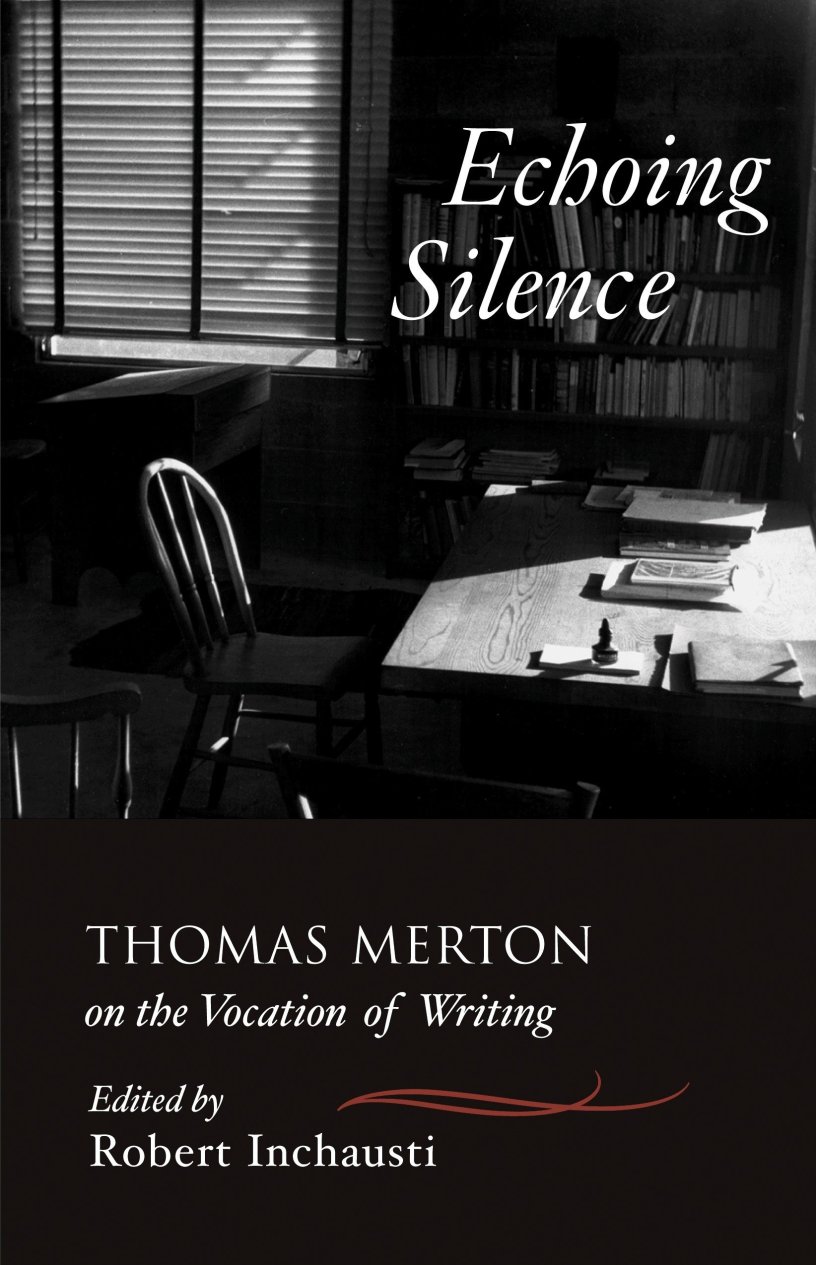
Editor Robert Inchausti opens Echoing Silence, Thomas Merton on the Vocation of Writing with “Thomas Merton began writing as a teenager in an effort to discover who he was and what he believed.” Would Merton have become a Trappist monk had he not been a writer?
In his collection of essays, The Good Word and Other Words, Wilfred Sheed writes, “Just to put a little suspense in this thing: what do you suppose the following people would have been if they had not been writers – Phillip Roth, Jean Stafford, John Updike, Kurt Vonnegut, Murray Kempton, and Norman Mailer? Is there some shadow career that lopes alongside their prose and occasionally sticks its disappointed bloodhound face into their dreams?”
Zadie Smith tackled this question in her essay “Dance Lessons for Writers” by quoting choreographer Martha Graham. So, dancers or choreographers are two answers to Sheed’s question. But there are others.
- Photographers need to find just the right angle, the right light, the right lens and frame the picture just so.
- A guitarist needs the eyes of the music-reader on the sheet music and the dexterity to hit the right notes that will stir the emotion of his audience; ditto, the pianist.
- The sculptor begins with an idea and block of clay – a blank slate on which to cast the idea in a manner pleasing to the eye; ditto, the painter with an idea and a blank canvas.
- Tour bus drivers must attend to the road ahead and stay the course while pointing out scenes that enliven the trip and hold the interest of their patrons.
- Race car mechanics must identify and fine tune even the minuscule elements of the vehicle, such as tweaking and revising again and again the fuel mixture for peak performance.
Is there any end to these shadow careers? Only if we run out of paper and ink.
 James K. Hanna